How Indian Supply Chains Can Prepare for the Diwali Rush
By Moeen Khan

Diwali is one of the biggest shopping festivals in India, where demand for products like electronics and appliances, clothing, gifting items and food, and jewelry surges, with delivery timelines getting tighter and supply chains and inventories stretched to the limit.
For supply chain and logistics executives, this time of year is often a crucible in which operations are tested to determine how much work is truly automated and how much continues to rely on manual workarounds.
Businesses that prepare their supply chain management operations months in advance are better positioned to handle the surge. Those that don't often end up firefighting, dealing with stockouts, delayed deliveries, warehouse congestion, inefficient fleet utilization, and shipment visibility challenges at the very time when customer expectations are highest. For businesses looking to strengthen their supply chain strategy, Lynkit's Supply Chain Management e-book provides additional insights into building more connected and efficient logistics operations.
The good news is that technology can help plan festive-season demand more predictably. From AI-powered demand forecasting and warehousing to transport management, fleet management, route optimization, and real-time cargo tracking, companies can create a far more integrated and responsive supply chain ahead of the Diwali rush.
Key Takeaways
- Use historical and real-time data for Diwali demand forecasting
- Ensure warehouses are prepared to handle the increased volume of orders and faster turnover of inventory
- Make use of supply chain management software to have better control of the entire process
- Plan workforce requirements and warehouse capacity well before the festive peak.
- Use transport management and route optimization to manage delivery disruptions.
- Strengthen cargo tracking and shipment visibility for high-value festive inventory.
- Capture operational data during Diwali to create a more effective supply chain plan for the next festive season.
Diwali Demand Forecasting for Indian Supply Chains
One of the biggest planning mistakes businesses make during Diwali is treating demand forecasting as a rough estimate based primarily on last year's numbers.
Festive demand does not flow uniformly. Some categories may see a surge in demand several weeks prior to Diwali, electronics for instance, whereas for sweets, food and gifting items, demand may peak much closer to the festival. Different cities and customer segments may exhibit varied buying patterns
Using manual forecasts during this period could lead to a stock out of high demand products or overstocking of inventory which may not be easily sold after the festive season.
AI-based demand forecasting can help companies analyze historical festive-season trends, current sales pace, warehouse stocks and regional customer preferences and identify the best ways to meet demand. Instead of focussing on the overall demand increase, businesses could see which products to keep in stocks, where to place them and when they might need to reorder.
This makes demand forecasting an important aspect of effective supply chain management during the festive season.
Preparing Warehouses for Diwali Order Volumes
Once demand projections are available, warehouses need to be prepared to handle the resulting increase in order volumes.
This is where a modern Warehouse Management System (WMS) becomes particularly valuable. Real-time inventory visibility helps businesses maintain a more accurate view of available stock and reduces the risk of orders being accepted for inventory that is no longer physically available.
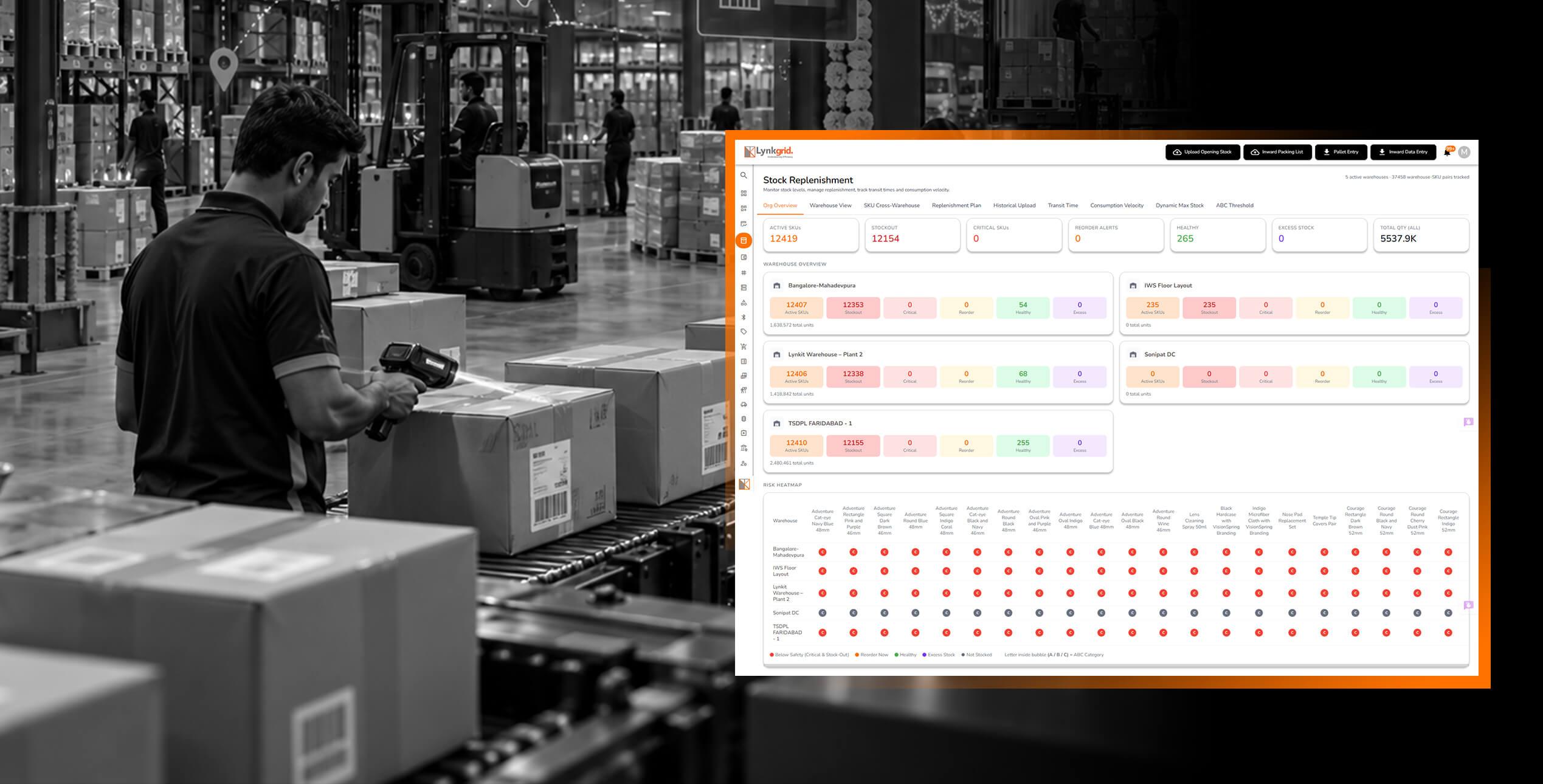
Warehouse managers can also utilize intelligent slotting to place high-volume seasonal SKUs in fast-access picking positions. Shortening the distance and time to pick high-turnover items can have a major impact on a warehouse that sees its order volume increase several times over a short period.
A connected supply chain management software platform can improve visibility by tying together inventory, warehouse, transportation and order data so that teams can make decisions based on the most up-to-date information, rather than relying on a number of separate and potentially out-of-date spreadsheets.
Managing the Festive Workforce Surge
Diwali poses a unique challenge to Indian businesses. Warehouse, transportation and delivery workers may need to take time off to celebrate with their families just at the time when order volumes are at their peak.
Businesses can minimize the impact by planning shift rotations, temporary staffing and workforce incentives well in advance of the festive season.
Technology can help in this planning too. Mobile enabled warehouse management tools allow employees to update inventory, confirm picks, and perform any other tasks in process using handheld devices while on the floor of the warehouse.
In addition, the goal is not to just hire more people. It is also about getting existing man-hours into the receiving, storage, picking, packing, and dispatch functions during peak times as efficiently as possible.
Managing Diwali Deliveries With AI Powered Load and Route Optimization
Last-mile delivery is where many customer-facing Diwali challenges become visible.
As roads get busier, delivery time slots shrink, and customers begin to demand items to be delivered before a festive season, a delay that would have been acceptable at another time could prove much more costly at Diwali.
This is where Transport Management Systems (TMS), route optimization, and fleet management can play an important role.
Rather than using standard routes, AI-based route optimization can help transportation managers to establish the best deliveries considering the place of transportation, available vehicles, time of delivery, and road conditions.
Moreover, the transport management platform assists companies in optimizing the allocation of vehicles, controlling transportation processes, and acquiring more information about delivery.
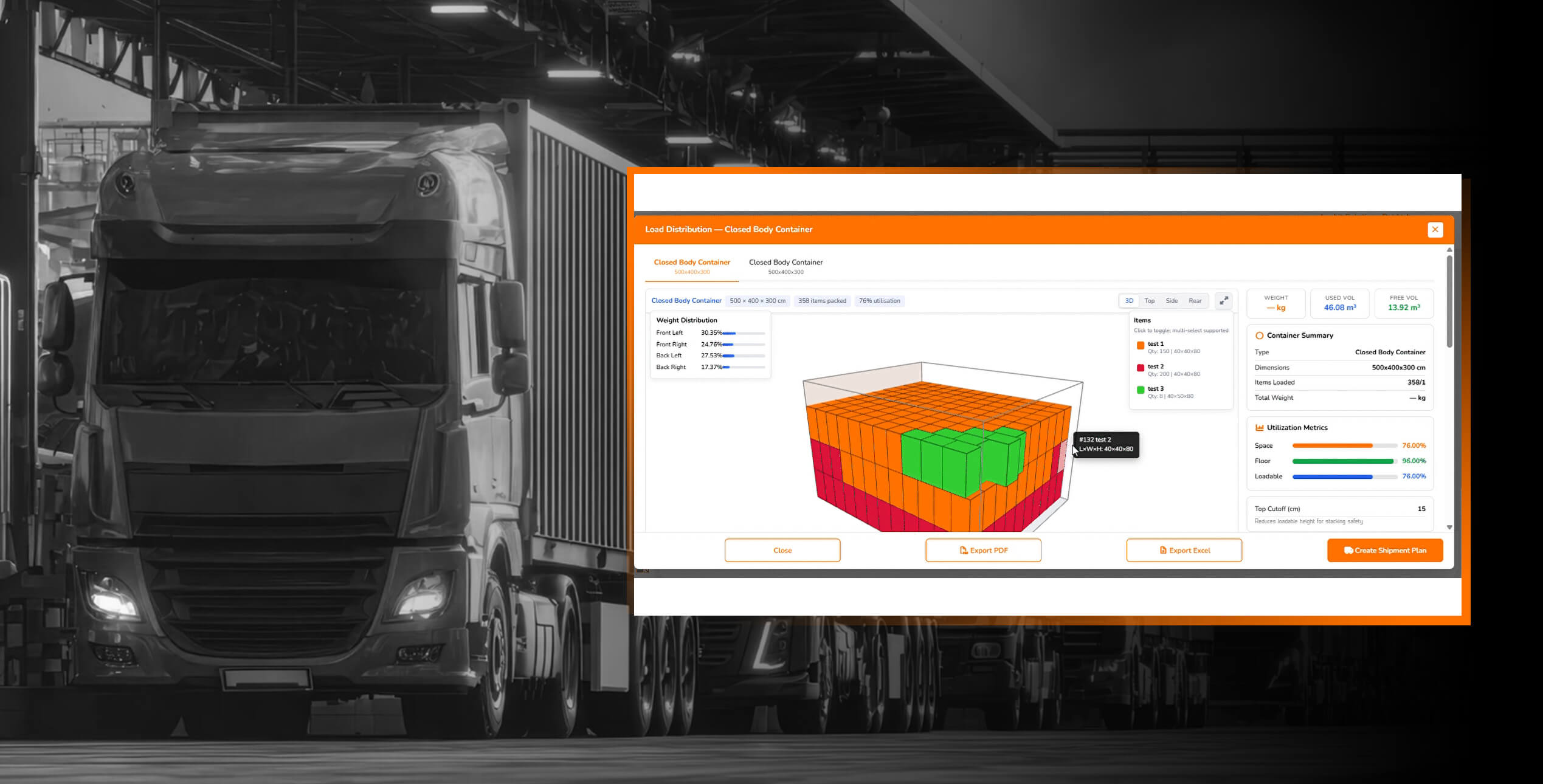
By combining this technology with position tracking systems, fleet managers will be able to detect delays and respond promptly to incidents by rerouting other vehicles. Overall, such a system will help companies manage the complex logistics of festive-season transportation and get more control over their transportation processes.
Strengthening Cargo Tracking for High-Value Shipments
Diwali also involves a large-scale circulation of high-end products like electronics, jewelry, expensive gifts, and other pricey goods in the supply chain.
Tracking the shipments, especially for businesses dealing with multiple transports in several cities, also becomes essential.
Traditional shipment tracking might often only give a bare minimum of information about the whereabouts and movement of a shipment. Modern tracking solutions might help businesses keep better control of the transportation process and learn about all potential holdups in the delivery to better manage their logistics and time-scheduling.
Connected technologies, such as GPS enabled locks or smart locks, can provide an additional level of visibility into high value cargo. Depending on the technology and configuration, businesses can gain visibility into unauthorized access attempts and receive alerts when certain security thresholds are breached.
This shifts shipment security from a process that is primarily investigated after an incident to one where potential issues can be identified while goods are still in transit.
Connecting Supply Chain Operations With Technology
Diwali planning can be improved in large part by connecting various segments instead of working on them separately.
Forecasting of demand should be used to plan inventory. Availability of inventory should determine warehouse processes. What the warehouse ships out should be considered in transport planning. Fleet and vehicle information should be utilized to provide delivery visibility, and information on cargo can add to that on shipments in transit.
This is where integrated supply chain management software can provide value.
Instead of using isolated systems and manual exchange of information, companies can employ diverse operational functions and establish an integrated perspective of the firm's supply chain.
For firms dealing with large volumes of festive-season sales, such integration can allow the firm to make better logistics, warehousing, inventory, fleet, and cargo management decisions.
Transformation of Diwali Operations into Repeatable Supply Chain Playbook
Businesses that are adept at handling Diwali operations treat festive readiness as a repeatable process involving demand forecasting, warehouse management, transport management, fleet management, route optimization, and cargo tracking. Businesses can utilize information gathered on demand, delivery, inventory, and overall operations during the festive season to improve future performance during the event.
Frequently Asked Questions
How can businesses prepare their supply chains for Diwali?
Businesses can prepare by forecasting demand early, planning warehouse capacity and workforce, positioning fast-moving inventory, and preparing transportation operations in advance. Supply chain management software can help link these activities.
How does AI assist in Diwali demand forecasting?
AI assisted demand forecasting helps in using past sales data, seasonal patterns, current demand, and regional preferences to predict inventory needs and prepare for the festive season demand appropriately.
How can a Warehouse Management System help during Diwali?
A warehouse management system can help during the festive season by giving a real-time view of the inventory, facilitating picking and put-away processes, and helping in managing the increased order and space requirements.
How can Transport Management Systems improve Diwali deliveries?
A Transport Management System handles a company's process of allocating commercial vehicles, scheduling delivery routes and organizing the transportation of goods to ensure efficient delivery. Together with route planning and tracking, this will increase visibility and efficiency of transportation.
Why is cargo tracking important during Diwali?
Cargo tracking provides real-time visibility into shipments, helping businesses monitor high-value goods, identify delays, and maintain better control over cargo movement during the increased transportation activity of the festive season.
How does fleet management support businesses against festive-season demand?
Fleet management allows companies to organize vehicles, drivers, transportation, and other operations. It helps control and optimize the usage of assets and respond appropriately to any incidents that may occur during transportation.
How can businesses use Diwali data for next year's planning?
Businesses can use the demand pattern, shortage of items, warehouse stocking, delivery time, and transport to improve their forecasting and planning of supply chain for the future festive season.