10 Benefits of Real-Time Cargo Tracking for Supply Chain Shippers
By Moeen Khan
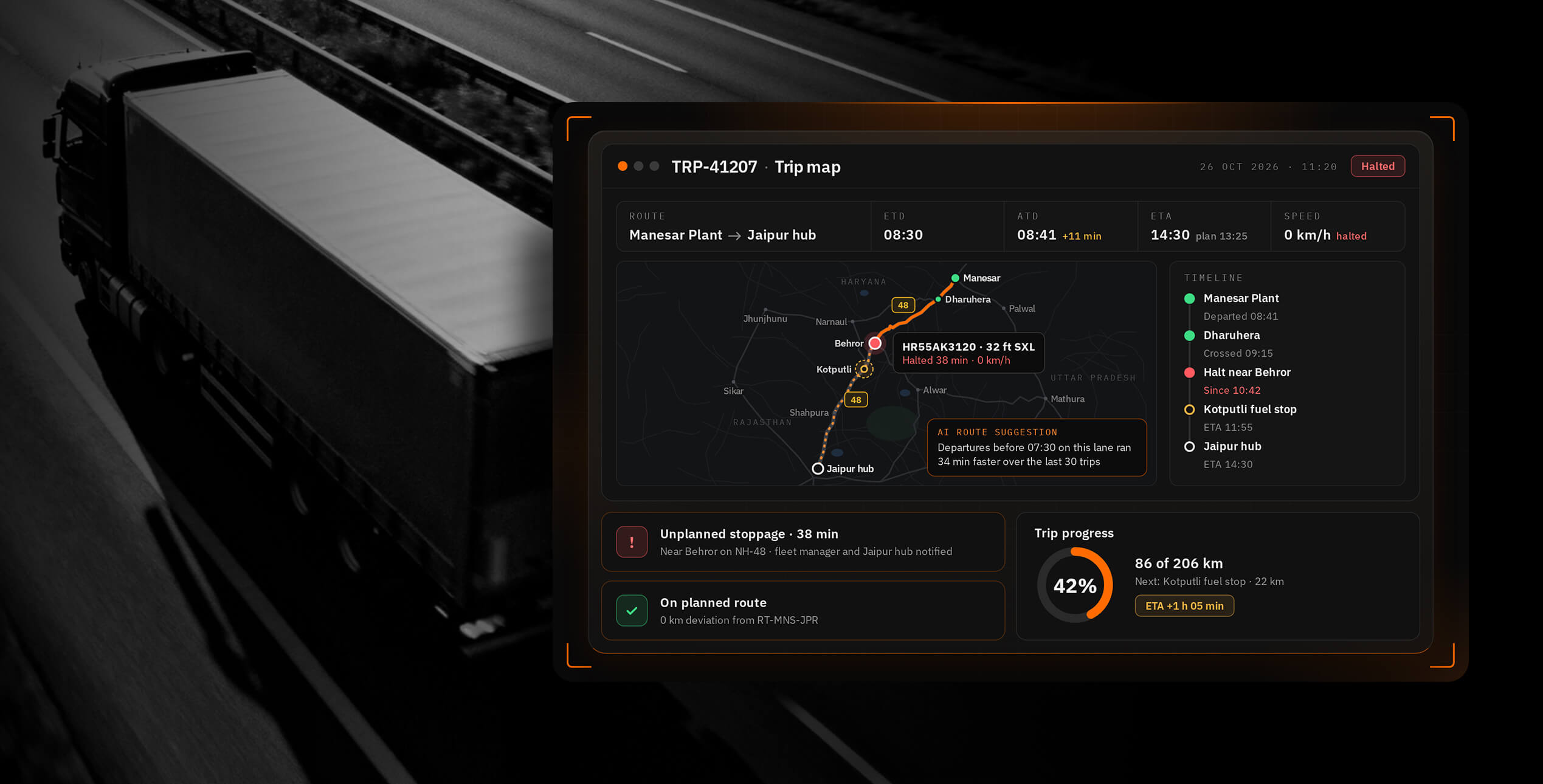
Once the goods leave the warehouse, the shipper will often be guessing. Are they on time? Have they taken the correct route? Are they going to get there on time? For years the answer was simply, we won’t know until the driver gets in touch or even worse, the customer!
With real-time tracking, shippers have full visibility on their cargo, and will understand what is happening to their shipment and if there are any issues to address. This has become one of the most impactful changes for companies who send large volumes of cargo in modern supply chains. Here is some more information on how this can help.
1. Real-Time Cargo Tracking Improves Delivery Reliability
By having visibility into the real-time location of a shipment, shippers will know if there is any delays. If they are able to see this, they can make sure their dispatchers know about the delay early on and they can then inform customers or change the route of the shipment.
2. It Strengthens Cargo Security
Theft and tampering are real risks for anyone moving valuable goods over long distances.
India's cargo crime data for January to August 2026 shows 209 reported cargo crime incidents resulting in total reported losses of USD 7.32 million, according to the TAPA APAC Cargo Crime Statistics.
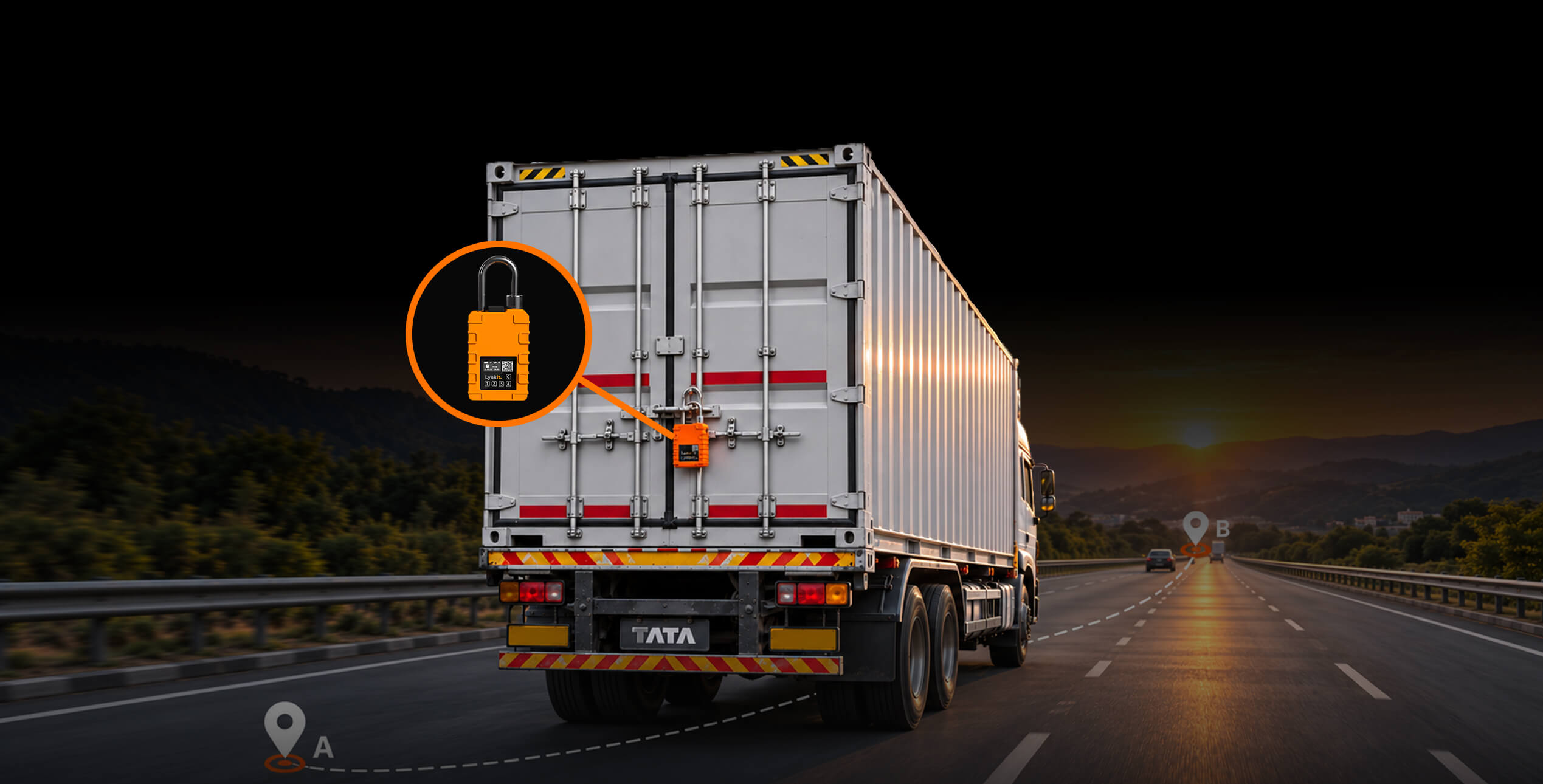
Live tracking, Smart Locks and GPS Locks provide shippers with real time data on the location of their shipment and instantly alert them if a container has been opened where it shouldn’t be. This is fast becoming the norm for shippers transporting high value cargo.
3. Real-Time Visibility Reduces Customer Complaints
A large proportion of customer service questions are related to the location of the shipment. If shippers can provide fast answers to this question based on real-time and accurate data, it helps build trust with their customers. Some businesses provide this visibility to their customers by linking to the tracking information, reducing support queries to almost nothing.
4. It Supports Better Route Planning and Fuel Savings
Live data from the tracking system will enable you to see longer term trends. For example, are there certain routes that always take longer than expected to complete? Are vehicles idling unnecessarily? Are they wasting fuel by taking inefficient routes? If your tracking system feeds into a larger Fleet Management System then you can make use of your route and fuel data.
5. Real-Time Tracking Helps Prevent Costly Delays
Most delays in the supply chain aren’t caused by a major disaster. They’re often caused by small delays such as goods getting stuck at a checkpoint, drivers taking a longer route or trucks waiting too long to get moving. Whilst these issues aren’t major issues on their own, they can cause delays to delivery windows. Real time tracking allows you to pick up on these issues as they occur making it incredibly useful.
6. It Connects Naturally With Warehouse Operations
These aren’t isolated shipments. Sending a shipment to a warehouse or receiving it from one will include cargo tracking information being sent to your Warehouse Management System. This means your warehouse team is aware of the precise time that vehicles will be arriving allowing you to prepare your loading docks, staff and equipment in good time.
7. Real-Time Tracking Improves Asset Utilization
Real-time tracking enables the organisation to see how long assets are sitting idle, what routes are causing delays and therefore allow the idle assets to be redeployed. How much the vehicle is being loaded can be seen from the shipment weight and volumes from a Transport Management System. The best Asset Management will use both these methods.
8. It Reduces Dependency on Manual Communication
Prior to real time tracking, phone calls were a big part of how shippers kept track of the location of their shipments. This can cause inefficiencies and can create opportunities for misunderstanding and incorrect information. Real time tracking means very little communication is required as the information is instant.
9. GPS Tracking Data Supports Smarter Long-Term Decisions
Real-time visibility is useful in the moment, but the real long-term value comes from the data it generates over time. GPS Tracking history reveals patterns that aren't obvious day-to-day: recurring bottlenecks on certain routes, drivers who consistently take longer than expected, or seasonal shifts in delivery times. Shippers who actually review this data tend to make better planning decisions than those relying purely on instinct or past habit.
10. It Strengthens the Reliability of the Broader Supply Chain
Supply Chain Management will operate at its most efficient when all parts of it (sourcing, warehousing, transportation and delivery) have access to accurate and common information. Often real time tracking of cargo is the final link in connecting the transportation part of the supply chain
This is exactly why more businesses are turning to Supply Chain Management Software that ties tracking, warehousing, and fleet operations together in one place, instead of managing each piece separately. For Supply Chain Management Companies handling multiple clients or high shipment volumes, this kind of connected visibility isn't a convenience anymore, it's become close to a baseline expectation from customers and partners alike.
What This Actually Means for Shippers Day to Day
These benefits also do not function in isolation. If a shipper decides to introduce real time cargo tracking but does not integrate with their warehouse, fleet and asset management systems, they will still get a greater insight into their shipments, but will not have a full operational picture. These benefits are only realised when the tracking data is integrated into the wider supply chain.
For shippers evaluating whether this is worth the investment, the honest answer usually comes down to volume and complexity. A business moving a handful of shipments a week might manage fine without it. A business coordinating dozens of vehicles, multiple warehouses, and daily customer expectations around delivery windows will likely find that manual coordination becomes the actual bottleneck long before demand does.
With real-time tracking becoming more of an essential supply chain tool rather than a luxury, shippers that utilise this technology usually have much smoother operations compared to those that use the telephone and guesswork.
Frequently Asked Questions
1. What is real-time cargo tracking?
This is the real time tracking of a shipment using GPS and IoT devices. This will allow you to know the precise location, movement and status of your shipment at any given time.
2. How does real-time tracking benefit shippers specifically?
Shippers will have accurate information about where their shipment is at every point in the process. They can identify delays quickly, answer questions from customers and better work together with transporters and warehouses.
3. Does real-time cargo tracking help reduce transportation costs?
Yes. With real time tracking you gain valuable information to help improve the efficiency of your routes, reduce stoppages and reduce waste of fuel. Businesses can make better decisions about how they route their fleet to help reduce transport costs.
4. How does cargo tracking connect with warehouse operations?
The integration of tracking data with a Warehouse Management System means that your warehouse team can know exactly when your shipment will be arriving. This means they will be able to prepare loading docks, staff and equipment in advance.
5. Is real-time tracking only useful for large supply chain management companies?
No. Although large companies gain from tracking high volumes of shipments, it can also be beneficial to smaller shippers as well if they are regularly tracking more than a few shipments. Tracking manually can become difficult in larger volumes.
6. What role does GPS tracking play in overall supply chain visibility?
GPS tracking acts as that vital link between transport and the wider supply chain. GPS tracking provides 'live’ data on goods location and movement so shipping, warehousing and fleet can be managed within a larger supply chain management system.